Weather in North York, ON: Seasonal Climate and What to Expect
North York weather patterns at a glance
North York, Ontario sits within the City of Toronto and follows many of the same weather patterns seen across the Greater Toronto Area. Its humid continental weather pattern delivers four distinct seasons, with cold winters, wet and variable spring weather, warm to hot summers, and cool autumns that can turn chilly quickly. Because North York is part of a large urban region and still feels the influence of Lake Ontario, local conditions can shift from neighbourhood to neighbourhood, especially between more built-up corridors and quieter residential streets.
For anyone tracking the monthly climate in North York, it helps to think in terms of seasonal weather patterns rather than only daily averages. The overall average temperature changes gradually through the year, but precipitation, humidity levels, and snow cover can vary sharply from one month to the next. Winter cold snaps can bring biting wind chill, while summer often delivers muggy afternoons, thunderstorms, and periods of high humidity that affect indoor comfort and property protection.
Local conditions in North York are also shaped by the urban environment. Dense development, major roads, and large paved areas contribute to an urban heat island effect, which can make some parts of the community feel warmer than surrounding suburbs. That means a weather forecast for North York may look different depending on whether you are in a high-rise area, a townhome cluster, or a detached-home neighbourhood with more tree cover and green space.
How conditions shifts through the year
North York’s weather shifts clearly through the winter months, the spring months, the summer months, and fall, but each season delivers its own mix of moisture, temperature changes, and practical impacts. These seasonal changes make a difference not just for outdoor plans, but also for house upkeep, humidity management, and seasonal pests that adapt to changing conditions.
Winter often brings persistent cold, snow, and an occasional freezing rain event. Snow accumulation can remain for periods at a time, especially during frigid stretches, and wind chill often makes it feel much lower than the thermometer indicates. Thaw-freeze cycles are common when brief warm-ups interrupt the cold, creating wet slush and ice on surfaces.
Spring in North York tends to arrive late. Mild periods may arrive in March and April, but they are often interrupted by sudden cold spells and more rain. As the season progresses, humidity rises, pollen goes up, and the city sees more moisture around foundations, balconies, and rooflines.

Summer is generally hot, with stretches of heavy humidity and storms. Hot spells can make city neighborhoods feel hotter still, especially in places affected by the urban heat island effect. Sudden storms are also an element of the seasonal weather patterns, bringing torrential rain and quick but strong surges of weather-driven activity.
Fall starts with cool and pleasant days and then shifts to colder weather, leaf fall, and the first frost. By late autumn, temperatures decline more rapidly, and early snow is always possible before December arrives in full. This is often the time when homeowners start thinking about blocking access points and getting ready for winter dampness.
Monthly weather in North York
North York’s monthly weather is easiest understood as a progression through colder, wetter, warmer, and then cooler conditions again. January through March is generally the deepest winter stretch, April through June brings more rain and mild temperatures, July through September is the hottest period, and October through December transitions into early frost and snow.
Here is a month-by-month breakdown of what to anticipate in North York, with an focus on real-world local circumstances rather than a rigid forecast. Actual weather can change year to year, but these patterns mirror the broad flow of the region.
January through March: cold, snow, and freeze-thaw cycles
January is often one of the coldest months in North York. Snowfall is regular, and snow cover may linger between storms when temperatures stay under freezing. Wind chill can make outdoor exposure uncomfortable even when the actual air temperature is only somewhat cold. Residents should prepare for icy sidewalks, frost buildup, and weather forecast updates that often include alerts for snow squalls, colder air, or freezing rain.
February often remains wintry, but it may still deliver a few milder days. Those short spells of warmth are what produce many of the season’s freeze-thaw cycles. Snow melts during the day, then refreezes at night, leading to slippery surfaces and moisture intrusion around doors, windows, and basement walls.
March is a changeover month, but it still feels winterlike much of the time. Weather fluctuations are especially apparent, with one week bringing a gentler period and the next reverting to cold spells. Ice rain can occur when milder air moves over shallow cold air near the ground, creating hazardous surfaces and damaging roofs, eavestroughs, and walkways.
For many homeowners and property managers, this time is when snow cleanup, ice control, and drainage checks are most critical. The blend of snowfall, wind chill, ice rain, and thawing moisture can reveal weak spots in older properties and raise the need for property safeguards.
April to June: rain, mild days, and rising humidity
April often brings the first real taste of spring in North York, but it is still a unpredictable time. Rainfall becomes more frequent, and while mild temperatures are welcome, the weather can change fast. Some days feel mild and clear, while others are wet and chilly. The increase in precipitation can leave lawns soggy and reveal dampness problems around basements, garages, and low points on the property.
May typically brings more settled spring weather, though morning chill can still linger. Pollen becomes a bigger factor, especially around streets with trees and parks. As humidity starts to rise, indoor comfort can change too, particularly in older homes or units with uneven ventilation.
June tends to feel noticeably warmer and more humid. By this point, rainfall can arrive in the form of longer rain showers or early summer storms. The air often carries more moisture, and that can influence everything from attic spaces to crawl https://sites.google.com/view/pest-control-north-york-on/ spaces, especially if ventilation is poor.
This season is important because it bridges winter moisture and summer humidity. It is also when many seasonal pests become active after months of reduced outdoor movement. As temperatures improve, insects begin to search for food, water, and sheltered access points, which makes spring a key time for observation and early prevention.
Mid to late summer: warmth, storms, and urban warmth
July is usually among the warmest months in North York. Heat waves can push daytime conditions well above comfortable levels, and high humidity makes it feel even hotter. In dense parts of the City of Toronto, the urban heat island effect is often noticeable around major roads, commercial corridors, and areas with less tree cover. That can keep overnight temperatures elevated, limiting relief after a warm day.
August often stays hot, humid, and storm-prone. Thunderstorms can form quickly, bringing strong downpours, gusty winds, and occasional lightning. While many of these storms pass in a short time, they can still create localized flooding, roof runoff, and temporary power disruptions. The high humidity also contributes to indoor discomfort if air circulation is limited.
September usually begins with warm, summer-like conditions and steadily transitions into more pleasant weather. Some years deliver lingering heat, while others shift earlier into cooler evenings. Even as temperatures drop, thunderstorms can still happen, and the month may seem unstable before fall fully takes over.
For North York residents, this is the season when weather-driven activity can have a major impact on homes. Heavy rain, warm conditions, and repeated moisture cycles can stress seals, decks, window frames, and roofing. In apartments and condos, overheating in top-floor units or east- and west-facing suites can make indoor comfort a real issue.
October to December: cooling temperatures and early snow
October is usually the core of fall in North York. Leaf fall becomes noticeable in neighbourhoods with mature trees, and mornings can turn chilly even when afternoons remain mild. This is also when the first frost may arrive, especially later in the month. The shift toward colder nights often signals the beginning of seasonal maintenance tasks like checking insulation and sealing openings before winter arrives.
November tends to turn colder and less predictable. Late-autumn weather can bring rain, wet snow, or a mix of both depending on the temperature profile. Some years see lake-effect snow influence the broader Toronto area when cold air passes over warmer water, and North York can feel the edge of that pattern through colder, wetter systems or early snow events.
December usually brings a more consistent winter feel, with freezing temperatures, occasional snowstorms, and a much greater chance of snow cover. The first real winter buildup may arrive by early or mid-month, though the exact timing depends on the year. By this point, most residents are focused on sealing entryways, preventing drafts, and preparing buildings for colder conditions.
October through December is also when small maintenance problems can become bigger ones. Gaps, cracks, and vulnerable edges that were easy to ignore in summer may admit cold air, moisture, or even pests seeking warmth. That is why the late-fall transition matters so much for both weather readiness and home care.
What the climate means for homes and pest activity
North York’s climate has a clear effect on pest control North York concerns year-round. Shifting temperatures, moisture, and sheltered indoor conditions influence where pests move and when they become more active. As weather shifts, rodents, ants, cockroaches, and spiders all respond differently to the same local conditions.
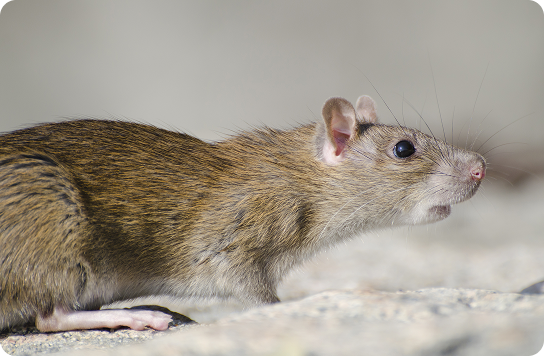
In winter, rodents are the most common concern. Freezing temperatures, snowfall, and blustery conditions push mice and rats toward warm indoor spaces where food and shelter are easier to find. They often move through utility lines, wall gaps, or tiny structural openings, especially in buildings with accessible basements, utility rooms, or older framing. Detached homes in North York can be especially vulnerable if the exterior has unsealed gaps or foundation movement from freeze-thaw cycles.
Spring and early summer tend to bring more ants and spiders. As soil warms and moisture increases, ants begin foraging more aggressively, often entering kitchens, storage areas, and wall voids. Spiders are not usually a structural threat, but they are a sign of insect activity and can become more visible when indoor and outdoor conditions shift. In condos and townhomes, shared walls and utility chases can allow pests to travel between units more easily than many residents expect.
Cockroaches are closely linked to heat, moisture, and hidden harbourage. In North York, they may be more active in warm, humid periods or in buildings where kitchens, garbage storage, laundry rooms, or plumbing areas provide steady food and water access. High-rise condominiums can be especially prone to building-wide movement if maintenance and inspection routines are not consistent.
Because weather affects how pests move, a proactive approach to pest control North York is often more effective than waiting for visible infestations. Seasonal inspections can catch early warning signs before weather-related pressure drives pests deeper into living spaces. This is especially important in a large urban area like North York, where mixed housing types and shared infrastructure create many potential access routes.
Climate-related control advice for North York residents
Homeowners, condominium boards, and landlords can reduce weather-driven pest issues by using a practical maintenance list tied to seasonal weather patterns. The aim is not only to control pests, but also to increase indoor comfort and preserve the building envelope from moisture and cold.
- Inspect foundation cracks after freeze-thaw cycles, notably in basements and lower-level walls where moisture can widen small openings.
- Inspect attic insulation before winter so heat loss, condensation, and animal access are easier to manage in attic spaces.
- Focus on sealing entry points around utility lines, vents, windows, doors, and exterior penetrations where rodents and insects can enter.
- Monitor moisture after spring rain and summer storms, since damp areas attract ants, cockroaches, and other seasonal pests.
- Preserve drainage and grading so rainfall moves away from the building rather than pooling near the foundation.
- Check weather forecast updates during heat waves, heavy storms, and early frost periods to plan inspections and maintenance efficiently.
- Maintain seasonal maintenance in balconies, storage rooms, basements, and mechanical spaces where pests often hide.
This approach matter across different housing types in North York. Detached homes often need more exterior sealing and basement monitoring, while high-rise condos need attention to shared systems, garbage areas, and plumbing chases. Townhomes fall somewhere in between and can be affected by both exterior openings and party-wall pathways.
Prevention tied to weather is especially important because moisture and temperature changes can reveal weak points before pests do. By treating maintenance as part of property protection, residents can reduce both structural wear and seasonal pests.
When to schedule inspections or control
The best time for seasonal assessments in North York varies with the property type, but most homes and buildings benefit from at least one proactive review before winter and one during the warmer months. For many residents, late fall is best for looking for gaps, drafts, and pest entry routes before cold weather pushes rodents indoors. Spring is equally useful because it shows winter damage, moisture issues, and the first signs of increased insect activity.
For condominiums, inspections should consider common areas, suites with previous pest concerns, garbage rooms, and mechanical spaces. In high-density buildings, small issues can disperse quickly if building-wide conditions are not monitored. Regular seasonal inspections are also helpful after storms, because heavy rainfall and sudden temperature changes can create fresh access points.
For detached homes, the focus is often on basements, attic spaces, rooflines, and exterior utility penetrations. These properties can be more exposed to foundation movement, water pooling, and winter drafts. A good schedule usually includes a pre-winter assessment, a spring follow-up, and spot checks after extreme weather.
Property maintenance in North York is most effective when it is tied to the local weather cycle. If the month brings thawing snow, rising humidity, or a stretch of thunderstorms, that is often the right time to look for moisture, damage, and pest activity. If the forecast shows a first frost or a sustained cold snap, it is time to reinforce seals and reduce indoor access for rodents.
In practical terms, seasonal inspections help connect climate awareness with long-term building care. That is true for landlords managing several units, condo residents dealing with shared systems, and homeowners looking after a single property. North York weather may be changeable, but the maintenance response can be simple: watch the seasons, respond to moisture, and stay ahead of pests before they become a larger issue.
FAQ
What is the weather like in North York, ON by month?
North York’s weather shifts gradually through the year. January to March is cold and snowy, April to June brings more rain and mild temperatures, July to September is warm to hot with humidity and thunderstorms, and October to December quickly cools with falling leaves, first frost, and snow returning. The exact monthly climate differs, but these seasonal weather patterns are common for North York, Ontario.
Which season has the most snow in North York?
Winter brings the most snow in North York, with January and February typically the snowiest months. Snowfall can carry on into March and sometimes return in late fall, but the most consistent snow cover generally happens during the heart of winter. Lake Ontario and local storm tracks can influence how much snow falls in a given year.
How warm does North York get in summer?
Summer in North York can get extremely warm, especially during heat waves. July and August are often the most intense months, and the urban heat island effect can make dense parts of the community feel hotter still. High humidity also raises the heat feel, so some days can feel much hotter than the actual average temperature implies.

In what way does North York weather affect pest activity?
Weather has a major effect on pest activity in North York. Cold winters push rodents indoors, spring rain and humidity encourage ants and other insects, and summer heat and moisture can increase cockroach activity in some buildings. Freeze-thaw cycles, moisture, and seasonal weather patterns all influence where pests move and how quickly they spread.
When should homeowners schedule pest control North York inspections?
Homeowners should usually schedule pest control North York inspections in late fall before winter and again in spring after the thaw. Seasonal inspections are also smart after heavy rain, storms, or major temperature swings. Detached homes, condominiums, and older properties may benefit from more frequent checks if there are known entry points, foundation cracks, or signs of pest activity.